
Clothoff.shop
a month ago
VR Sex in 2027: Revolution or Just Another Trend?
What 2027 is supposed to bring
Who will actually use it
Why it could take off
Why it might stall
Will it replace real sex?
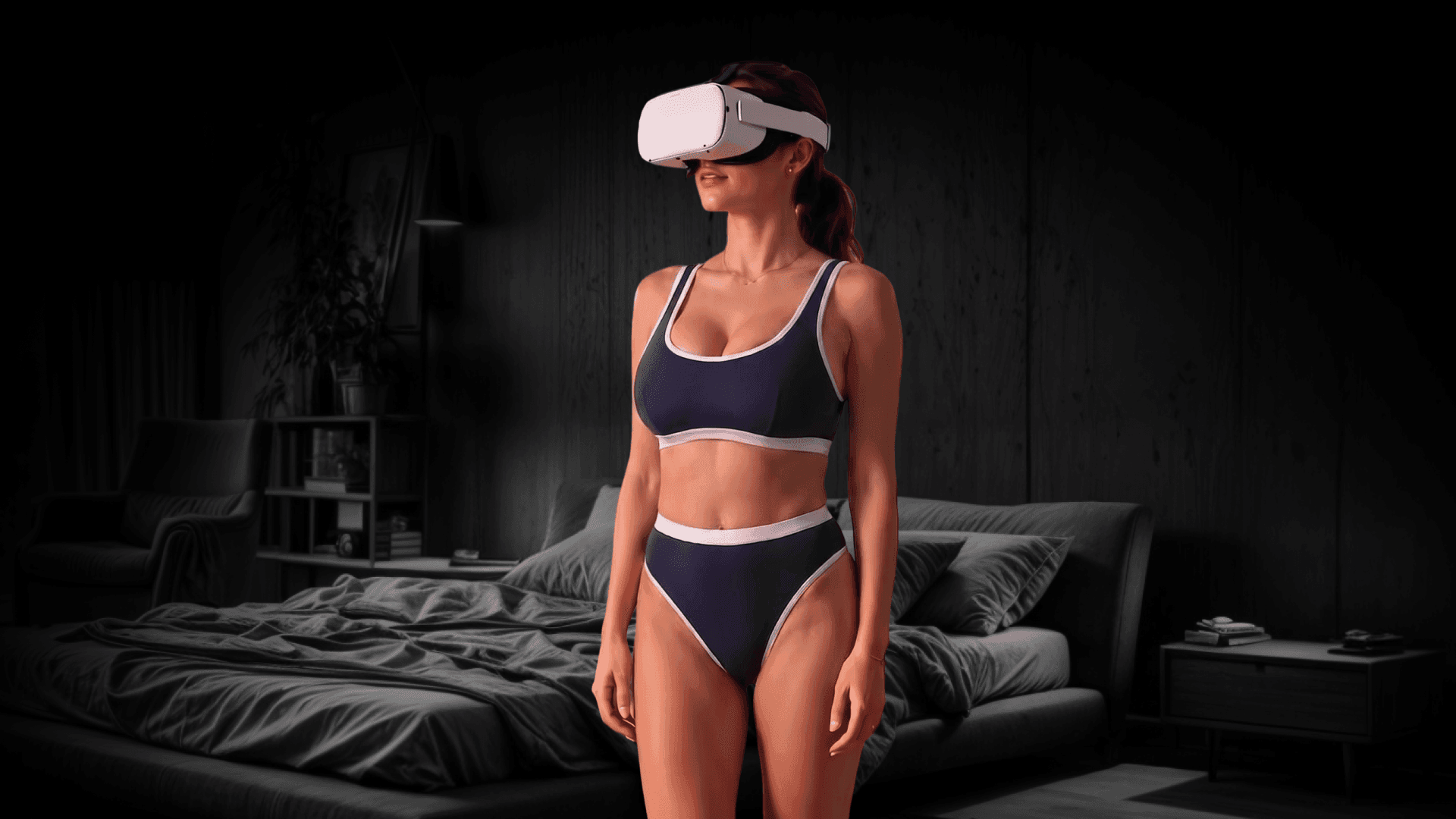
VR sex still sounds like something from a bad sci-fi novel. Yet the tech already works. You put on a headset, load a 360-degree scene, and the illusion starts. Some people already pay for it. The real question is whether 2027 turns this from a niche experiment into something millions actually use.
A lot of analysts call next year the tipping point. Cheaper headsets, better haptics, smarter AI partners. The pitch is simple: virtual sex will finally feel close enough to the real thing that mainstream users stop treating it as a joke. Let’s see how much of that holds up.
What already exists
Right now the foundation is solid but incomplete.
VR porn has moved past basic 360 videos. Interactive scenes let you choose angles, pace, and sometimes dialogue. Quality varies wildly, but the better productions already deliver immersion that flat screens cannot match.
Tactile feedback is the next layer. Vibrating toys sync to on-screen action. Some devices add heat and pressure. Full-body suits exist in limited form, mostly expensive prototypes that deliver sensation across the skin rather than just the obvious zones.
Sex robots with AI are further behind. Current models look stiff and respond with limited personality. The ones that integrate with VR headsets remain rare and costly. Most users still treat them as expensive novelties.
Price range tells the real story. Cardboard viewers cost almost nothing. Decent headsets sit between 300 and 800 dollars. High-end haptic systems and synchronized toys easily clear a thousand. That gap keeps serious VR sex limited to people with disposable income and strong curiosity.
Forecasts for next year focus on four changes.
Full-body haptic suits should improve. Expect better coverage of touch, temperature, and even basic scent systems. Nothing that fully recreates skin-on-skin contact, but enough to raise the realism bar.
AI partners will get more personal. Users will dial in personality traits, voice, appearance, and behavior. Some platforms already test this. By 2027 the better ones should feel less like scripts and more like consistent characters.
Headset prices keep falling. Several manufacturers aim for solid models under 300 dollars. That alone removes a major barrier.
Subscription platforms will push harder into the space. Monthly access to libraries of interactive content plus AI customization looks like the business model most companies are betting on.
None of these advances will feel magical. They will feel incremental. The jump from 2024 tech to 2027 tech is real, but it will not erase the gap between virtual and physical.
Core audience remains men aged 18 to 35. That group already drives most adult content consumption and shows the highest comfort with new gadgets.
Female users are growing, especially around AI partners that prioritize conversation and emotional tone over pure visual performance. Some platforms report rising female sign-ups for exactly that reason.
Beyond gender, the strongest early adopters fall into clear categories: people who live alone, those with social anxiety, users with physical limitations, and the simply curious. Accessibility for people with disabilities is one of the more honest selling points. The technology removes mobility and health barriers that real-world sex often cannot.
Control sits at the top of the list. You decide the partner, the scenario, the intensity, and the ending. No negotiations, no mismatched desire, no awkward aftermath.
Safety is obvious. No STI risk, no pregnancy risk, no physical danger. For many that alone justifies the experiment.
Availability never sleeps. Content is there at 3 a.m. or during a lunch break. Quality stays consistent.
The absence of judgment matters more than most marketing admits. No one rejects you. No one judges the fantasy. For users who carry shame or past rejection, that silence is powerful.
The biggest limit is also the most basic. Virtual contact is still not live contact. Smell, micro-movements, real unpredictability, and the chemical response of actual bodies remain missing. Many users try the tech, enjoy it, then return to real partners without looking back.
Cost still blocks mass adoption. Even if headsets drop to 250 dollars, a decent haptic setup plus ongoing subscriptions adds up. Impulse buyers will try once. Repeat users need deeper motivation.
Psychological risks exist. Some people will lean too hard into the controlled environment and struggle when real relationships demand compromise. Social isolation is a real possibility for users who already prefer screens to people.
Legal and moral debates will not disappear. Questions around consent in AI-generated scenes, age verification, and the ethics of hyper-realistic partners will keep regulators interested.
Probably not. Porn never replaced sex. High-end sex toys never replaced partners. VR sex will follow the same pattern.
It will sit alongside real intimacy as a parallel option. For most people it becomes an occasional experiment or a specific fantasy outlet. For a smaller group (those with limited access to partners, strong preference for control, or physical barriers) it may become the primary or only form of sexual expression.
That distinction matters. Calling it a revolution overstates the case. Calling it a niche that grows into a solid market is closer to reality.
The realistic picture for 2027
By next year the technology will be cheaper, more comfortable, and more convincing. Millions will try it. A portion will keep using it regularly. The rest will treat it like any other adult entertainment: useful when the mood hits, forgettable when it does not.
The tools will improve. The human need for real connection will not vanish. VR sex is an instrument, not a substitute for living.



Upload your photo and let our AI do the magic. Fast, secure, and anonymous

